What Is Wenzel CMM?
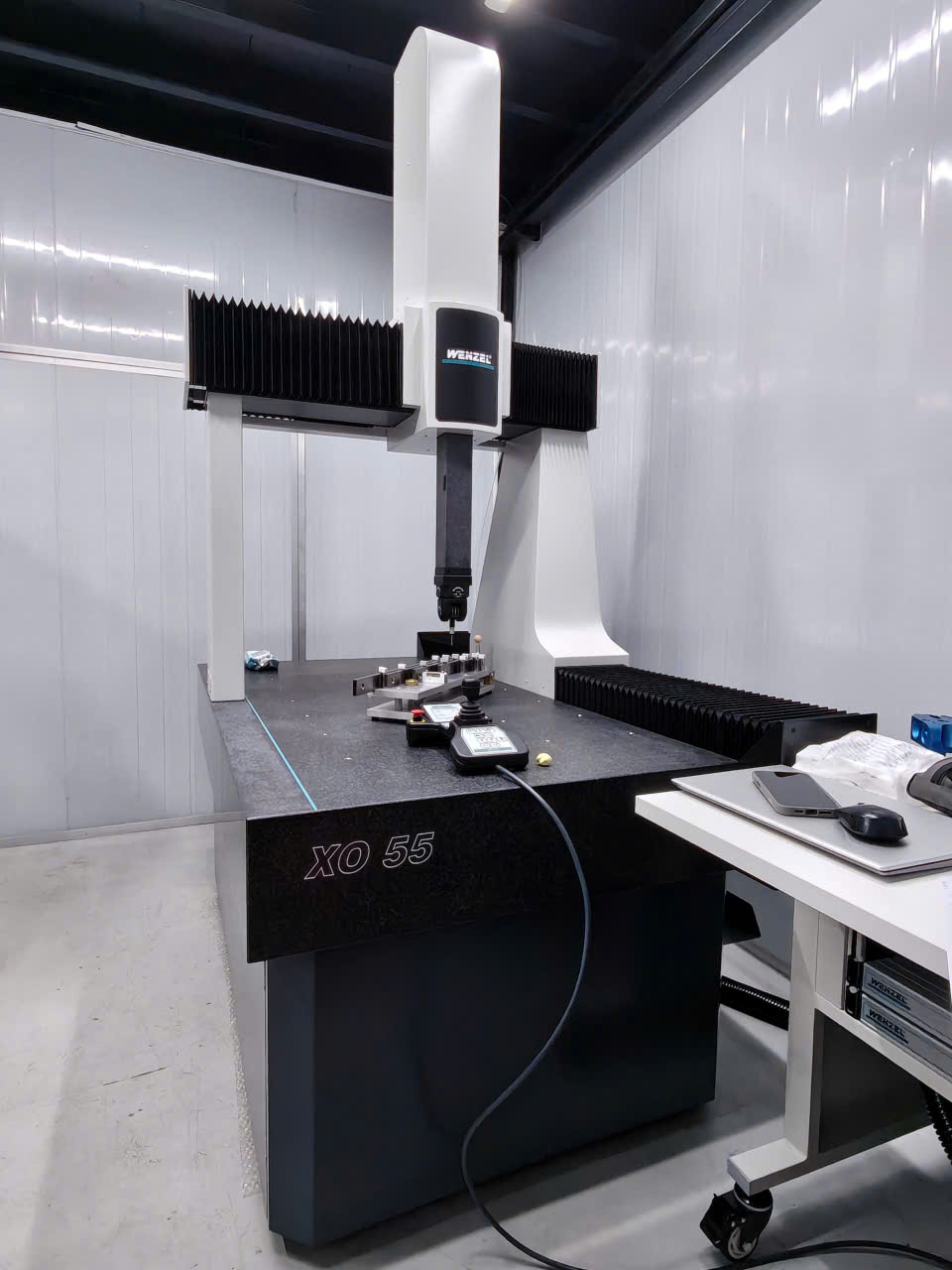
Wenzel CMM is a high-precision Coordinate Measuring Machine (CMM) designed to measure the geometric characteristics of mechanical parts in three dimensions.
The system operates using a three-axis coordinate system (X-Y-Z) and utilizes a probe to collect measurement data from the surface of a component. The collected data is then compared with the CAD model to identify dimensional deviations and tolerance variations.
Wenzel CMM systems are widely used in industries such as:
- Aerospace manufacturing
- Automotive engineering
- Medical device production
- Precision CNC machining
- Semiconductor manufacturing
Thanks to their exceptional accuracy and ability to measure complex geometries, Wenzel CMM machines have become essential equipment in modern metrology laboratories.
The Role of Wenzel CMM in CNC Quality Control
In precision manufacturing, dimensional inspection is not only used to detect defective parts but also to monitor and improve the entire production process.
A Wenzel CMM system helps manufacturers:
- Verify design tolerances
- Detect machining deviations
- Optimize production processes
- Reduce scrap and rework costs
Through detailed measurement reports, manufacturers can better understand:
- CNC machine performance
- Cutting tool wear
- Production deviation trends
This information enables companies to maintain consistent product quality and process stability.
How Does a Wenzel CMM Work?
3D Coordinate Measurement System
A CMM measures points on the surface of a part using a three-dimensional coordinate system:
- X-axis – horizontal direction
- Y-axis – depth direction
- Z-axis – vertical direction
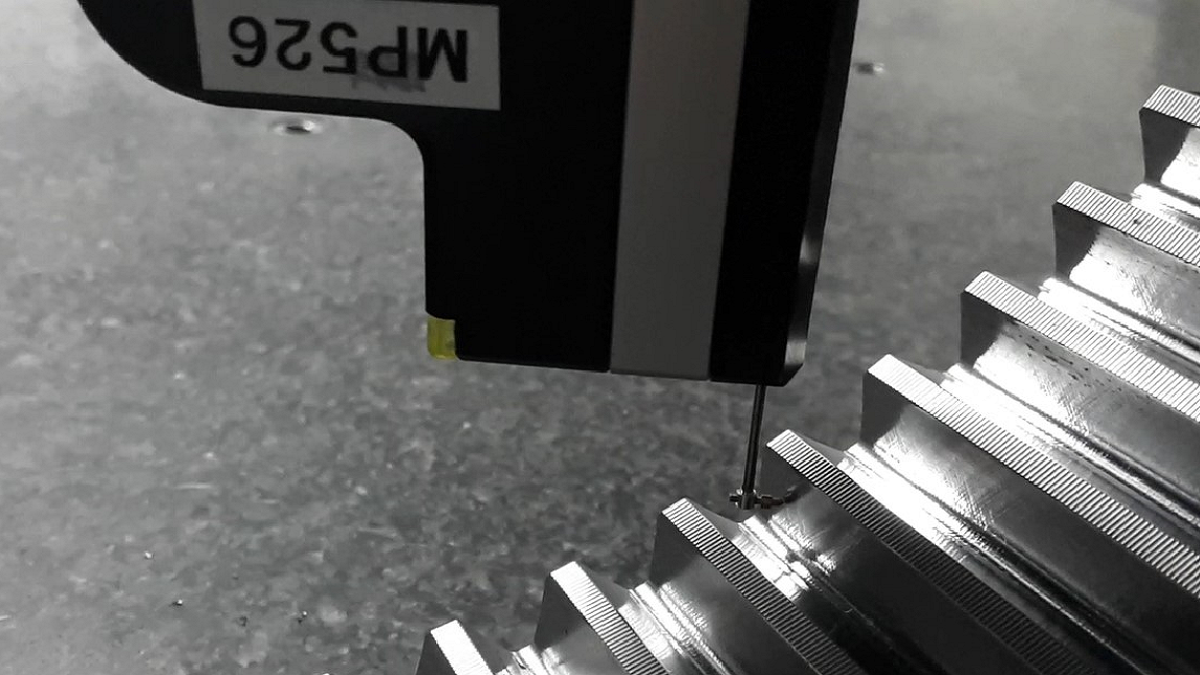
When the probe touches the surface of a part, the system records the exact coordinates of the measurement point with extremely high precision.
Probes and Sensors
Wenzel CMM machines support multiple types of measurement probes.
Touch Trigger Probe
This probe physically touches the surface of the component to record individual measurement points.
Scanning Probe
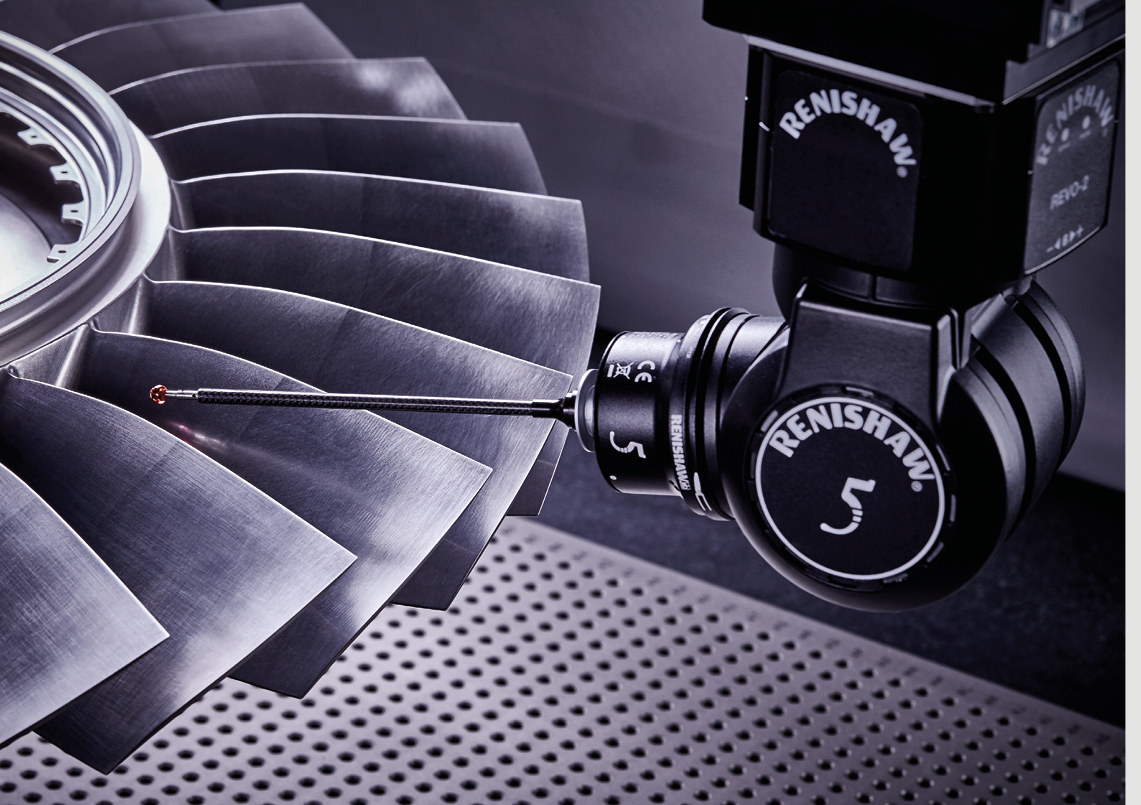
A scanning probe continuously collects thousands of data points while moving across the surface of the component.
This method is ideal for measuring:
- complex surfaces
- aerodynamic shapes
- turbine blades
Optical Sensors
Optical sensors are used when measuring sensitive surfaces or soft materials where physical contact is not ideal.
CAD Comparison and Digital Twin
CMM software creates a digital twin of the measured component and compares it directly with the original CAD model.
The results are presented in several forms:
- Color deviation maps
- Tolerance analysis
- GD&T inspection reports
This process helps engineers quickly identify dimensional deviations and ensure parts meet design specifications.
5 Key Benefits of Using Wenzel CMM
High Measurement Accuracy
Wenzel CMM machines can achieve measurement accuracy of up to 0.001 mm.
This level of precision is essential in industries with extremely tight tolerances such as:
- Aerospace engineering
- Medical device manufacturing
- Semiconductor production
Automated Inspection
CMM systems can run fully automated measurement programs, enabling manufacturers to inspect large batches of components without manual intervention.
Automation improves:
- inspection speed
- measurement consistency
- production efficiency
Highly Repeatable Results
Compared with manual measurement tools, CMM systems eliminate errors caused by:
- inconsistent measuring force
- operator skill differences
- varying measurement methods
This ensures highly repeatable and reliable measurement results.
Digital Measurement Reports
CMM systems generate detailed digital reports including:
- deviation maps
- tolerance analysis
- GD&T data
These reports provide engineers with valuable insights into product quality and manufacturing performance.
Measurement of Complex Geometries
Wenzel CMM machines can accurately measure complex shapes such as:
- curved surfaces
- turbine blades
- mold and die components
These geometries are difficult or impossible to measure using traditional tools.
Why Is CMM Calibration Essential?
Even the most precise Wenzel CMM system requires regular calibration.
Over time, several factors can affect measurement accuracy, including:
- temperature variations
- environmental vibrations
- probe wear
- mechanical deviations
Without proper CMM calibration, measurement data may become inaccurate, leading to:
- defective products
- increased production costs
- loss of customer trust
Regular calibration ensures that the CMM continues to deliver accurate and traceable measurement results.
Factors That Affect CMM Measurement Accuracy
Metrology Lab Temperature
Metrology laboratories are typically maintained at 20°C, which minimizes measurement errors caused by material thermal expansion.
Proper Workpiece Fixturing
The workpiece must be securely fixed to prevent movement during measurement.
Even small movements can significantly affect measurement accuracy.
Probe Calibration
The probe should be calibrated regularly using a master calibration sphere to ensure accurate measurement results.
CMM Calibration Solutions from GERA Hi-Tech
To maintain accurate measurement results, manufacturers should use professional CMM calibration services.
GERA Hi-Tech provides comprehensive calibration solutions for CMM systems.
Our services include:
- CMM calibration services according to ISO 17025 standards
- CMM repair and maintenance services
- Measurement services on demand
- CMM retrofit solutions
Calibration Certification
After calibration, the CMM system receives a traceable calibration certificate, ensuring compliance with ISO 17025 requirements.
This certification confirms that the measurement system meets international quality standards.
When Should Companies Calibrate Their CMM?
Metrology experts typically recommend the following schedule:
Daily Verification
Quick system checks should be performed before measurement operations to ensure stable performance.
Annual Calibration
Professional calibration should be conducted at least once per year to maintain measurement accuracy.
The Future of CMM in Industry 4.0
In the era of smart manufacturing, CMM systems are evolving rapidly.
Modern CMM technologies are moving toward:
- robotic integration
- in-line measurement directly on production lines
- AI-based metrology data analysis
These technologies help manufacturers detect defects earlier and optimize production processes in real time.
Conclusion
Wenzel CMM is one of the most advanced measurement systems used in modern metrology laboratories.
It enables manufacturers to:
- control product quality
- detect machining deviations
- ensure components meet design tolerances
However, to ensure reliable measurement results, regular CMM calibration is essential.
With professional calibration services from GERA Hi-Tech, manufacturers can ensure that their measurement systems remain accurate, reliable, and compliant with international quality standards.